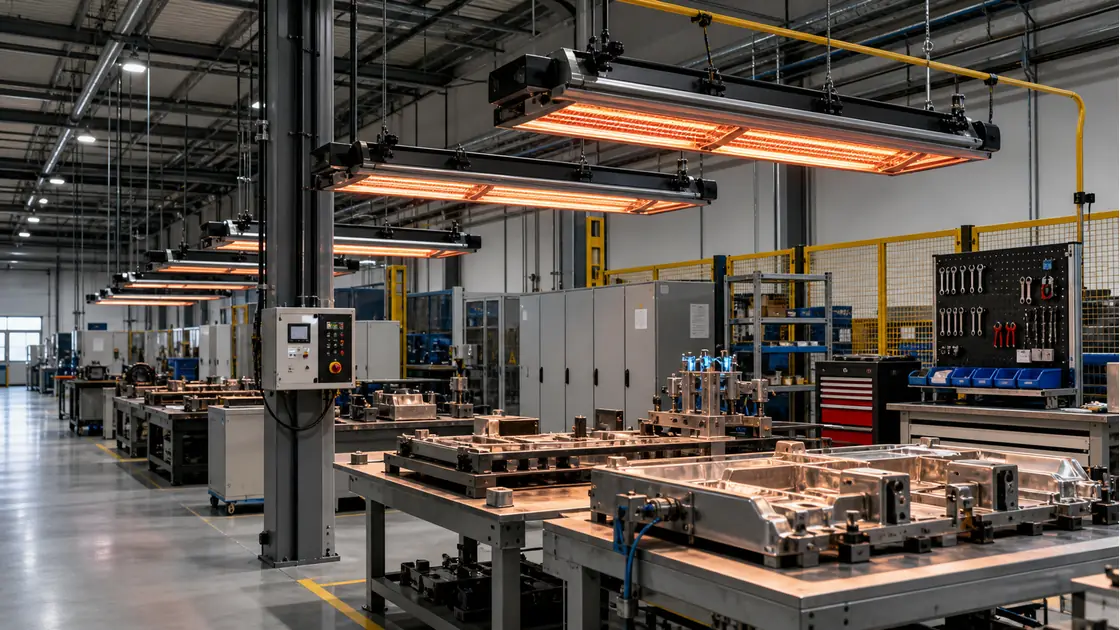
Electric infrared heating
Fast answer
Best-fit direction: electric medium wave or long wave heaters selected around kW, voltage, wave type, mounting, and the target material or work area.
Electric infrared should not be filtered like gas-fired heating. The decision path depends on kW, voltage, wave type, mounting, response time, and whether the heat target is a person, product, material, or process.
This makes electric process zones a strong use case for spec intelligence. A user should be able to compare kW range, voltage, environment, wave type, and documentation without leaving the dashboard.
The strongest recommendation connects the electrical reality of the site with the heating outcome. That means filtering by electric source first, then matching performance and installation constraints.
Application challenge
A product may be visually similar but electrically very different. Wrong voltage or kW assumptions can derail the project early.
Process zones may need faster response, cleaner operation, or more precise radiant delivery than general comfort heating.
Selection strategy
- Filter by Energy Source: Electricity.
- Separate medium wave and long wave products when the data supports it.
- Compare kW, voltage, mounting type, and environment.
- Confirm whether the product is for people comfort, process support, or material heating.
- Use manuals and spec sheets before finalizing the electrical path.
- Keep source badges visible so inferred specs are not mistaken for manual-derived values.
Document package to verify
- Manual for electrical, mounting, and operation requirements.
- Specification sheet for kW, voltage, and wave type.
- Brochure for product family overview.
- Product page link for public verification.
- Print code when available for version tracking.
Questions to ask before shortlisting
- What voltage is available?
- What kW range is practical for the electrical service?
- Is the target people, material, process, or equipment?
- Is fast response more important than steady background heat?
- Does the mounting location support the radiant target?
Buyer questions answered
Why is kW more important for electric heaters?
kW directly affects electrical coordination and available heating output.
Should electric heaters be compared with gas heaters?
They can be compared at the application level, but the key spec fields are different.
What makes a good electric recommendation?
The recommendation should match voltage, kW, wave type, mounting, environment, and document support.
Turn this application into a shortlist
Use the dashboard to compare approved use, fuel type, BTU/h or kW range, environment, documents, and source badges before you export the final package.