Heater application case studies

Real-world heater selection playbooks for demanding spaces

Use these application studies to compare radiant, forced air, gas-fired, propane, and electric heating strategies before narrowing the shortlist inside the product intelligence dashboard.

Outdoor restaurant patio with overhead radiant heaters
Agricultural poultry building with overhead heaters Agricultural poultry heating Brooder and livestock zones View Case Study Warehouse distribution center heating application Warehouse loading dock Distribution centers and high air change spaces View Case Study Golf clubhouse terrace with outdoor heaters Hospitality and golf patios Restaurants, hotels, clubhouses, and terraces View Case Study Clean auto service and wash bay heating application Auto service garage Garage-approved heater selection View Case Study Industrial building interior used for temporary heat planning Construction temporary heat Portable jobsite heating decisions View Case Study Industrial work cell with electric infrared heaters Industrial spot heating Targeted workstations and process zones View Case Study Commercial wash bay with overhead radiant heaters Car wash harsh environment Moisture, corrosion, and wash bay heat View Case Study Large high-bay industrial space for radiant heating planning Aircraft hangar Tall, open spaces with large doors View Case Study Electric process heating zone in a manufacturing facility Electric process zone kW, voltage, and wave type View Case Study Agricultural low-clearance heating application Greenhouse low clearance Agriculture-approved low-clearance heat View Case Study

Case study 01

Agricultural poultry heating: choosing approved heaters for brooder and livestock zones

Best-fit direction: agricultural-approved gas-fired or propane heater families with clear documentation for livestock environments.

Poultry houses, brooder rooms, and agricultural production buildings are not generic comfort-heating spaces. They need equipment selected around animal welfare, moisture, dust, ventilation strategy, fuel availability, and approval language. A heater that looks technically capable on paper can still be the wrong recommendation if its approved use does not include agricultural applications.

The selection workflow starts by filtering for approved use, then narrowing by energy source, environment, clearance, and document health. Product families such as agricultural brooders, agricultural radiant heaters, and purpose-built farm heating equipment should rise above garage, patio, or general commercial heaters because the approval context matters as much as BTU/h.

The practical question is not just “Which heater is powerful enough?” The better question is “Which heater is approved for this environment, has the right fuel path, and has the manuals, brochures, and print codes needed for a fast review?” That is where the dashboard becomes useful: it keeps application, fuel, documents, and source badges in the same decision path.
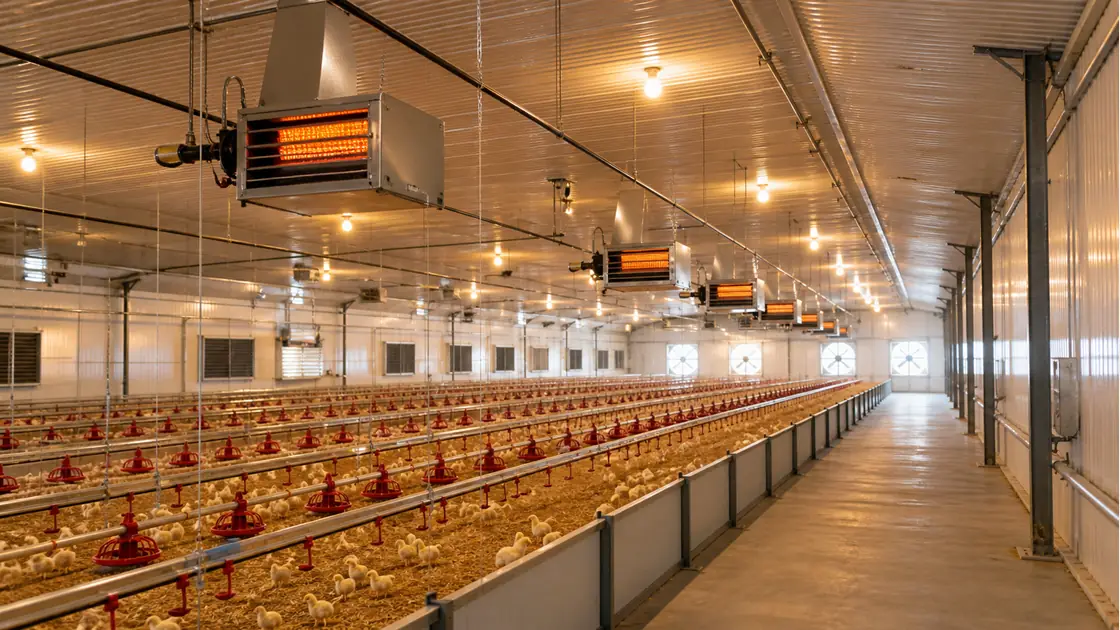
Agricultural poultry facility with overhead heating equipment

Case study 02

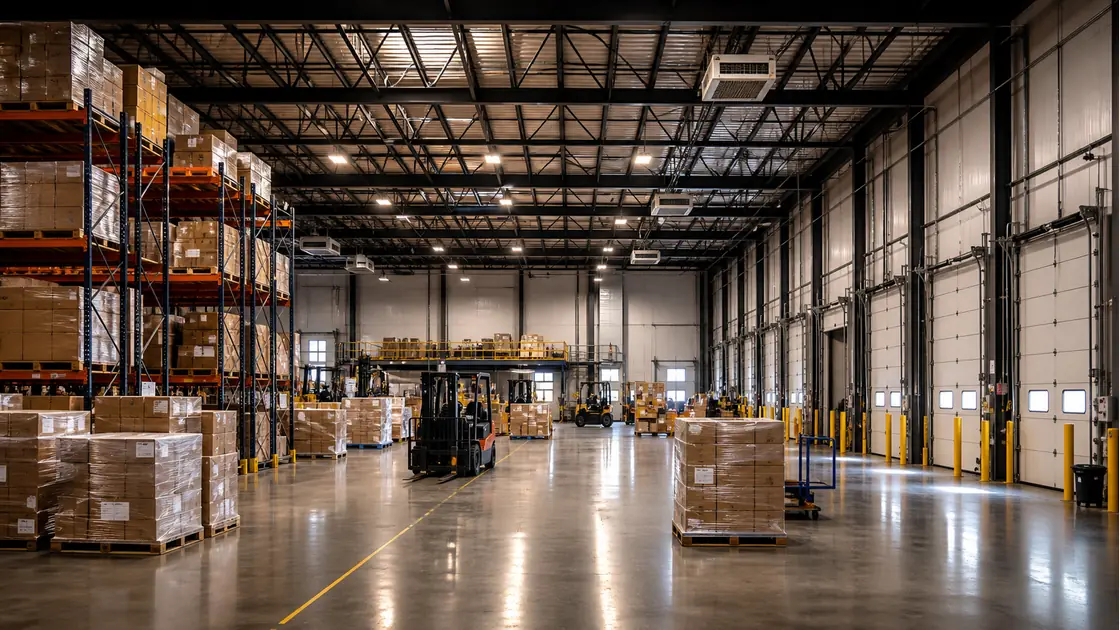
Warehouse loading dock: reducing recovery time around open doors and high air changes

Best-fit direction: low intensity gas-fired radiant heaters for occupied work zones where doors open often.

Loading docks punish traditional heating strategies. Doors open, forklifts move, cold air enters quickly, and the space rarely behaves like a sealed office. Forced air can help with general recovery, but radiant heat often becomes the stronger comfort strategy when people and surfaces need heat even while air temperature is unstable.

The selection process should focus on building height, door exposure, mounting location, fuel type, and whether the heater is meant for indoor industrial use. A low intensity radiant family may be a better starting point than a broad “commercial heater” search because it narrows the field to equipment designed for large-volume spaces.

For a strong specification package, the project team should download the brochure, manual, submittal, and any relevant BIM or CAD resources. Missing documents slow down reviews. Complete documentation gives contractors and engineers a faster path from shortlist to quote.

Warehouse distribution center with loading dock doors

Case study 03

Hospitality and golf patio heating: comfort heat without treating the space like an indoor room

Best-fit direction: outdoor-approved radiant heaters with clear wind, mounting, and clearance documentation.

Patios, terraces, golf clubhouses, breweries, hotels, and restaurants need a different mindset from indoor comfort heating. The heater is not warming a sealed room. It is creating a usable comfort zone for guests in an exposed or semi-exposed environment. That makes approval language and installation documentation essential.

An outdoor-only heater can be the right answer for an outdoor seating application, while an indoor-outdoor vented model may be better when the project crosses between covered, enclosed, or mixed-use conditions. The dashboard helps separate these choices by environment and approved use, which prevents the common mistake of treating all radiant heaters as interchangeable.

The decision should also consider aesthetics, mounting height, control zones, fuel availability, and how quickly staff need to turn heat on and off. A strong patio recommendation is not just warm. It is controllable, code-conscious, document-supported, and easy for the owner to understand.

Golf clubhouse terrace with radiant heating

Case study 04

Auto service garage: separating garage-approved heaters from look-alike products

Best-fit direction: products with explicit garage or commercial service approval, verified against the manual.

Garages are one of the easiest places to make a bad heater recommendation. A product may have the right fuel type and capacity but still be wrong for a garage if the approval language, clearance requirements, or application notes do not support that use. This is exactly why approved-use filtering matters.

The selection path should reject agricultural-only products, outdoor-only heaters, portable construction heaters, and product families that are not intended for garage service. From there, compare fuel type, BTU/h range, mounting options, and document completeness. Manuals are especially important because they carry the installation limits that a product card may not show.

A good garage recommendation should be defensible. If a contractor, inspector, or owner asks why the heater was selected, the answer should point back to the product page, manual, brochure, and approved-use notes rather than a guess based on the product name.

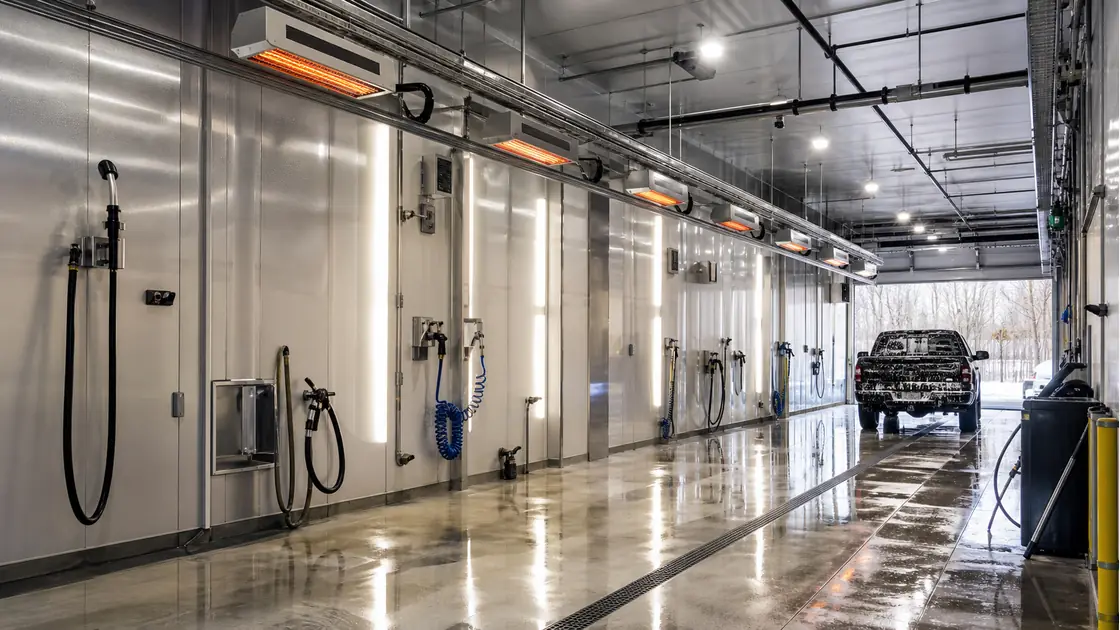
Auto service and wash bay heating application

Case study 05

Construction temporary heat: choosing portable heating without confusing it with permanent equipment

Best-fit direction: construction-approved portable heaters where temporary use, ventilation, and fuel logistics are documented.

Temporary construction heat is not the same problem as heating an occupied building after turnover. The site may have unfinished openings, shifting work zones, temporary fuel storage, high dust, and changing ventilation conditions. That makes the selection process more operational than decorative.

The first filter should be facility or application: construction. Then compare propane or natural gas availability, portability, output range, and whether the documentation supports temporary jobsite use. A permanent radiant tube heater or comfort unit may not be the right answer even if the capacity looks attractive.

Documentation is also a safety and coordination tool. The manual helps teams understand limits, clearances, and use conditions before equipment is placed on site. The exportable document list becomes useful for project managers who need to share a clean package with safety teams, contractors, and owners.

Large industrial building for temporary heat planning

Case study 06

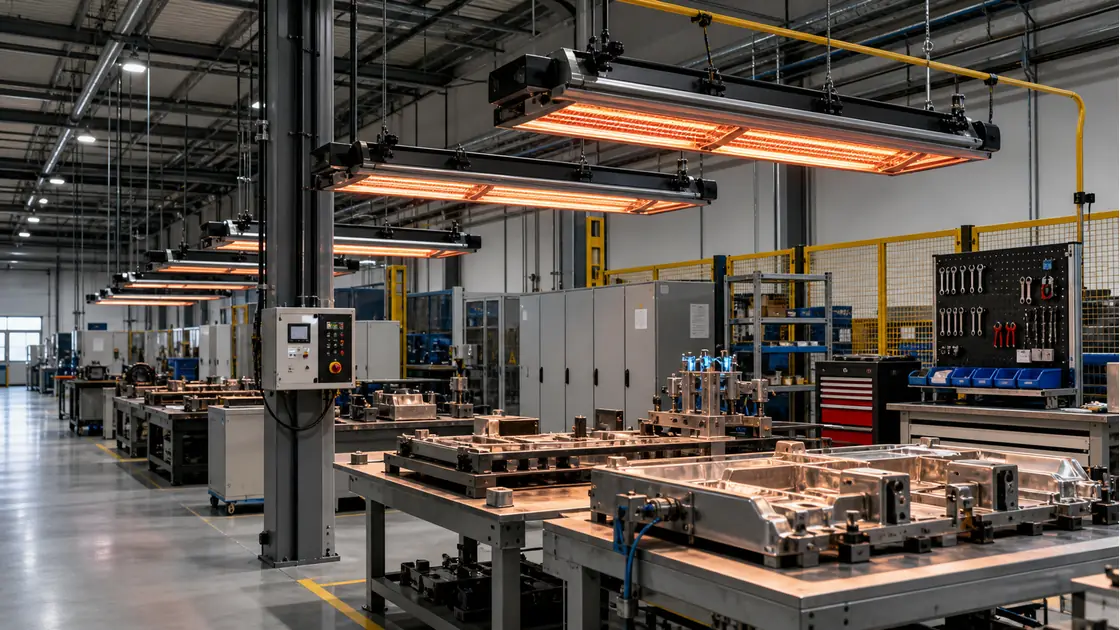
Industrial spot heating: warming people and workstations without overheating the whole building

Best-fit direction: high intensity or targeted radiant heaters when the goal is fast heat at a defined work area.

Industrial facilities often contain zones with very different comfort requirements. A workstation near a bay door, a maintenance bench, or a shipping area may need targeted heat even when the rest of the building is acceptable. In these cases, whole-building heating can waste energy and still leave people cold.

Spot heating starts with the task area. How long are people stationary? How high is the ceiling? Is the space indoor, outdoor, or semi-open? Is fuel available, or is electric infrared the simpler path? The right family may be high intensity gas, medium wave electric, long wave electric, or another focused radiant solution.

The dashboard makes this easier by showing category, energy source, environment, approved use, and documents together. That matters because two products may both be “radiant” while serving very different use cases.

Industrial spot heating and process work cell

Case study 07

Car wash and wash bay heating: planning for moisture, corrosion risk, and harsh conditions

Best-fit direction: harsh-environment product families with documentation that supports wet, corrosive, or demanding spaces.

Wash bays and car wash facilities create a brutal heating environment. Moisture, chemicals, pressure washing, open doors, and corrosion risk all influence equipment selection. A basic commercial heater may not survive or may not be appropriate if the harsh-environment condition is not documented.

The shortlist should begin with special conditions rather than capacity alone. Filter for harsh environment, then review indoor or outdoor status, clearance, fuel type, and manuals. The best recommendation is the one that is both technically suitable and easy to defend with documentation.

This is also where document health becomes a business advantage. Owners and contractors need confidence. A complete document package with brochure, manual, submittal, and print-code visibility helps move the conversation from “maybe” to “ready for review.”

Commercial wash bay with overhead heaters

Case study 08

Aircraft hangar heating: comfort in tall, open spaces with large doors

Best-fit direction: low intensity radiant systems or carefully selected high-bay heaters matched to clearance and door exposure.

Hangars have large volumes, tall ceilings, and door openings that can disrupt air temperature quickly. The comfort target is often people, equipment, and floor-level work areas rather than the entire air mass. That makes radiant heating a common starting point for review.

The product shortlist should compare low intensity categories, approved indoor use, fuel options, mounting location, and documented clearance requirements. A strong hangar recommendation also considers whether the project needs single-stage, two-stage, modulating, or system-style control.

The product comparison tool is useful here because capacity, control type, environment, and document completeness need to be seen side by side. A single attractive brochure is not enough. The winning option should hold up across specs, documents, and application fit.

Large high-bay industrial space for hangar-style heating planning

Case study 09

Electric process zone heating: using kW, voltage, and wave type to narrow the options

Best-fit direction: electric medium wave or long wave heaters when gas is unavailable, unwanted, or operationally complex.

Electric infrared can be the cleanest path when a project has strong electrical infrastructure, limited gas access, or a process zone that needs precise, local heat. But electric heaters should not be filtered like gas-fired equipment. The decision path depends on kW, voltage, wave type, mounting, response time, and whether the heat target is people, material, or process support.

A practical shortlist starts with energy source: electric. Then compare medium wave and long wave intensity, environment, mounting, and documents. If the product data includes voltage and kW ranges, those fields become central because they affect electrical coordination early in the design process.

The strongest recommendation is the one that connects the electrical reality of the site with the heating outcome. The calculator can help estimate load, while the dashboard keeps the available product families and documents in view.

Electric infrared process heating in manufacturing

Case study 10

Greenhouse and low-clearance agriculture: balancing crop protection, clearance, and fuel strategy

Best-fit direction: agriculture-approved low-clearance heaters with the correct gas type, environment rating, and manuals.

Greenhouses and agricultural production spaces need heat that respects the crop, structure, and operating environment. Clearance can be tight, humidity can be high, and the owner may need reliable heat without overcomplicating maintenance. The wrong product can create clearance issues, poor heat distribution, or an approval mismatch.

The shortlist should begin with agricultural approved use, then filter for low clearance, fuel type, and indoor or outdoor applicability. Documentation is critical because greenhouse projects often require fast coordination between owners, installers, and local reviewers.

This case is a good example of why the app should not be only a document library. It should act like a decision engine: choose the application, verify the approved use, compare fuel strategy, inspect the documents, and use paid access only when a complete Excel master file is needed.

Agricultural facility for low-clearance heater planning

Next step

Turn an application into a defensible heater shortlist

Search the live product data, compare heater families, inspect document health, and use the calculator before sharing a public document package or downloading a complete Excel master file.